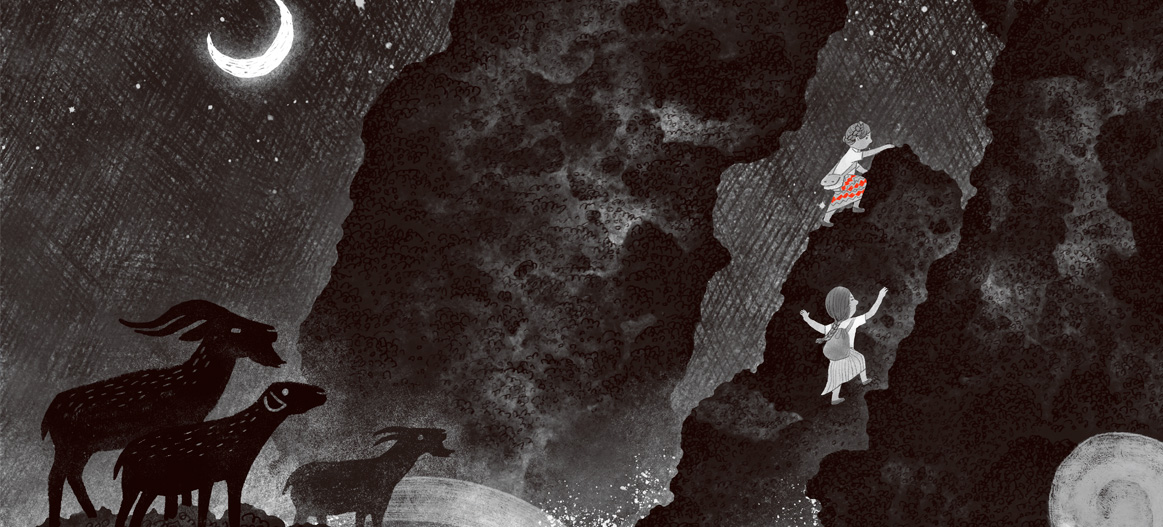
si Kalen, Our Lady on Orchid Island - The Story of Grace Irene Wakelin【Parent-Child Reading Guide】
點閱次數:281
Early years
Grace Irene Wakelin, born in 1909, was raised on the large farm of her father’s in Canada along with two little sisters and three little brothers. One Christmas, Wakelin was given a book that contained 52 biblical stories for children. That book became her introduction to Christianity. While studying at a normal college, Wakelin formally accepted the Faith. She also read about the British missionary Hudson Taylor around the same period and resolved to become someone like him.
Steadfast service
In that vein, Wakelin began teaching English at Anking’s National Anhwei University in September 1947. She moved with the China Inland Mission (CIM) to Shanghai and then Hong Kong during war-ravaged 1949, before settling in Tainan, Taiwan, where she taught at Kuang Hua Girls’ Middle School and helped with CIM’s Sunday schools and summer events for students. One day, Wakelin saw a group of aborigines on the street. The sight of them so shook her that she discerned she should serve on Orchid Island. After securing financial support from her family and church in Canada, Wakelin consulted Rev. James Ira Dickson, who put forward that missionary work was quite fitting for a single woman like her. Wakelin was much encouraged by the positive feedback.
In the company of Rev. Lo Hsien-Chun, Wakelin voyaged to Orchid Island in 1955. For two months, Lo taught her the basics of the Tao language and showed her around the six villages on the island in order to acquaint her with the locals. As the Tao received Wakelin as one of their own, she was given a Tao name, si Kalen. While Kalen came from her surname, si is an honorific in Tao indicating a person’s unmarried or nulliparous status.
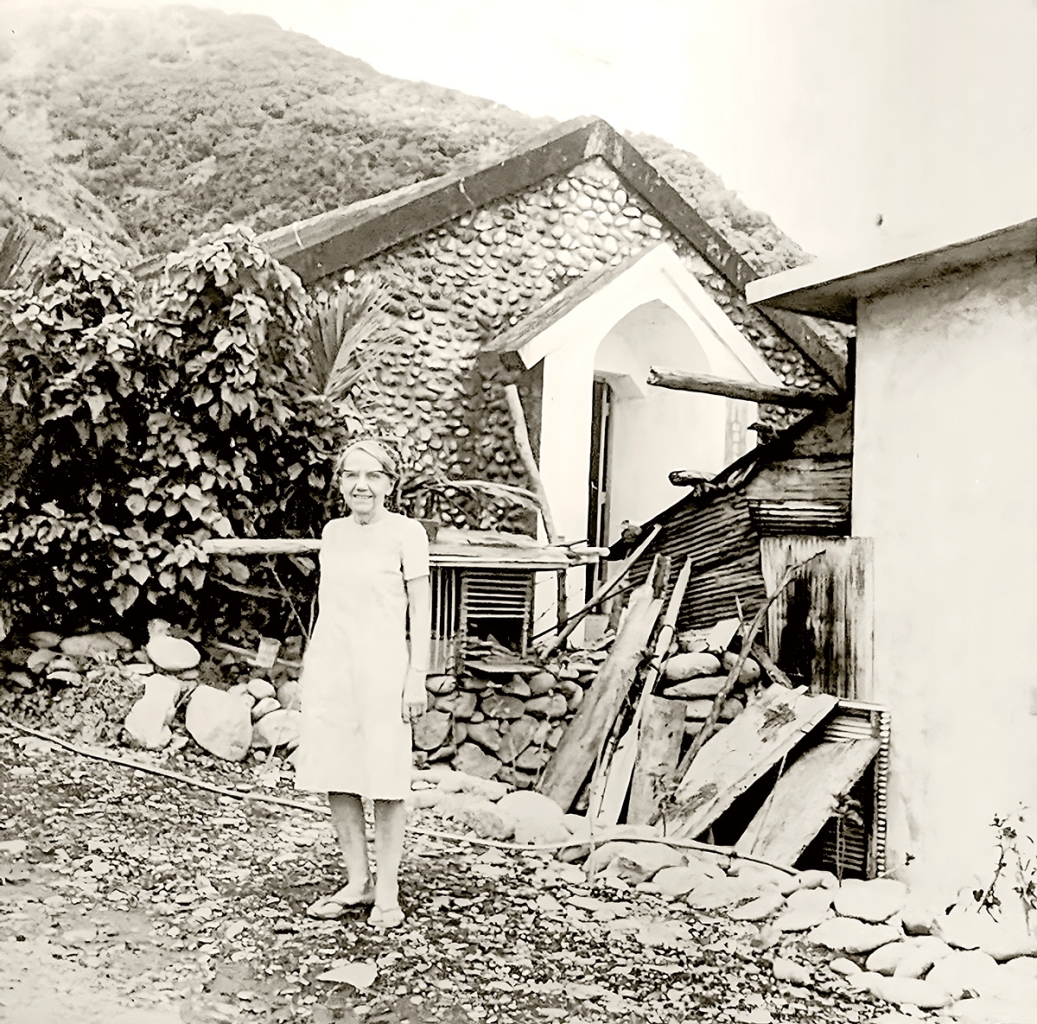
Grace ‘si Kalen’ Wakelin. Photo courtesy of syaman Lamuran
Simple living
At first, Kalen lived inside Iratay Church and slept on a cot. She then moved into a thatched hut that the congregation made for her. When she toured the villages to preach, she stayed in believers’ makarang (the working and storage level of a traditional semi-underground Tao dwelling). The congregation built Kalen a second, sturdier home in Yayo a few years later, which she called the Big Play House. Kalen grew her own vegetables, ate taros, yams, and fish as the islanders did, and only occasionally brought in necessities from Taiwan or baked bread with her kerosene stove. Simple and plain dresses Kalen always wore and would not throw away until they were utterly ragged.
Befriending Women and Children
syapen Lamuran (Hsieh Yu-Chu) had been helping Kalen learn Tao and translate the Scripture into that language even before marrying Rev. syapen Lamuran (Tung Sen-Yung) herself. She traveled with Kalen on foot into the villages to spread the Word, in the days when there was not the round-island road and the only thing connecting the villages were footpaths teeming with reefs and overgrown grass. It was not until the 1970s that the road was completed and buses began running on it.
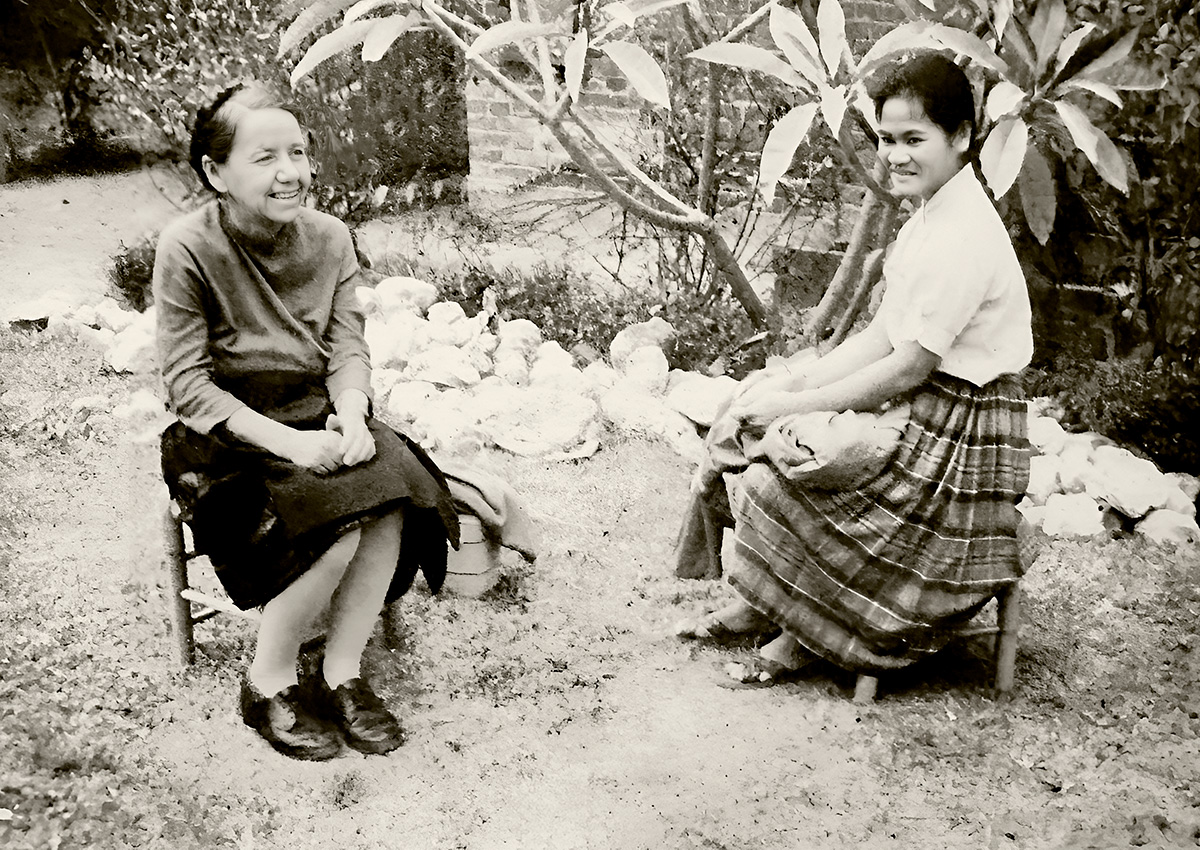
The tandem in work: Kalen and sinan Lamuran. Photo courtesy of syaman Lamuran
The tribes’ men often derided Kalen and syapen Lamuran (Hsieh), so Kalen turned her evangelizing efforts to women and children. The Tao women were more innocent and good-natured. Kalen approached them as a friendly figure, sharing with them Bible stories and enabling them to read and write with her modified ㄅㄆㄇㄈ for Tao. She taught the women hygiene, called on the sick, comforted the grieved, healed them, and generally met their needs.
Kalen’s place became where the community’s children hung out. Due to the compulsory education, the younger generation was able to speak Mandarin with Kalen. In turn, she told them Bible stories and sang hymns with them, tended to their wounds, and took them on outings. Many of the children knew about Jesus through Kalen and grew up to be core members of the church. To this day, many Tao on Orchid Island still remember Kalen’s teachings and how she looked after them and miss her dearly.
The Tao-language Bible
While each of Orchid Island’s six villages had a church, there were not enough preachers to fill them. The absence of a Tao-language Bible made it even more difficult for the tribesmen to gain a deeper understanding of the Faith. Kalen took it upon herself to expand the translation. She experimented with a Roman alphabet for a time but switched to an adapted ㄅㄆㄇㄈ system to write down Tao in consideration of the children’s familiarity with it and the government’s policy of promoting Mandarin. She began teaching the system to the tribesmen as soon as she penned a primer. As for translating the Scripture, she chose the Gospel of Matthew as her entry point toward the end of 1961. To get a hold of Tao grammar, Kalen turned to the Tao themselves and Fr. Alfred Giger, took active part in the annual meetings of missionaries working on translating the Bible into various aboriginal languages, and even travelled to the Philippines to learn from the missionaries who were posted to communities that spoke similar Batanic languages to Tao. Compared to the locals, Kalen was fastidious about the meaning and usage of every word, in the spirit of rendering the Word and the hymns correctly.
Kalen’s Matthew and other Bible stories in Tao were first published by the Bible Society in 1969. The Acts and the Epistle of James were added in the subsequent March 1980 edition sponsored by Shuang Lien Presbyterian Church in Taipei. syapen Mapanop, among fellow Tao Christians, took over Kalen’s work in 1987 and completed the translation of the New Testament in 1994. This version of the Tao-language Bible, in Roman-script orthography, is the one in current use, while Kalen’s ㄅㄆㄇㄈ for Tao survives in Tao hymnals still read and sung today.
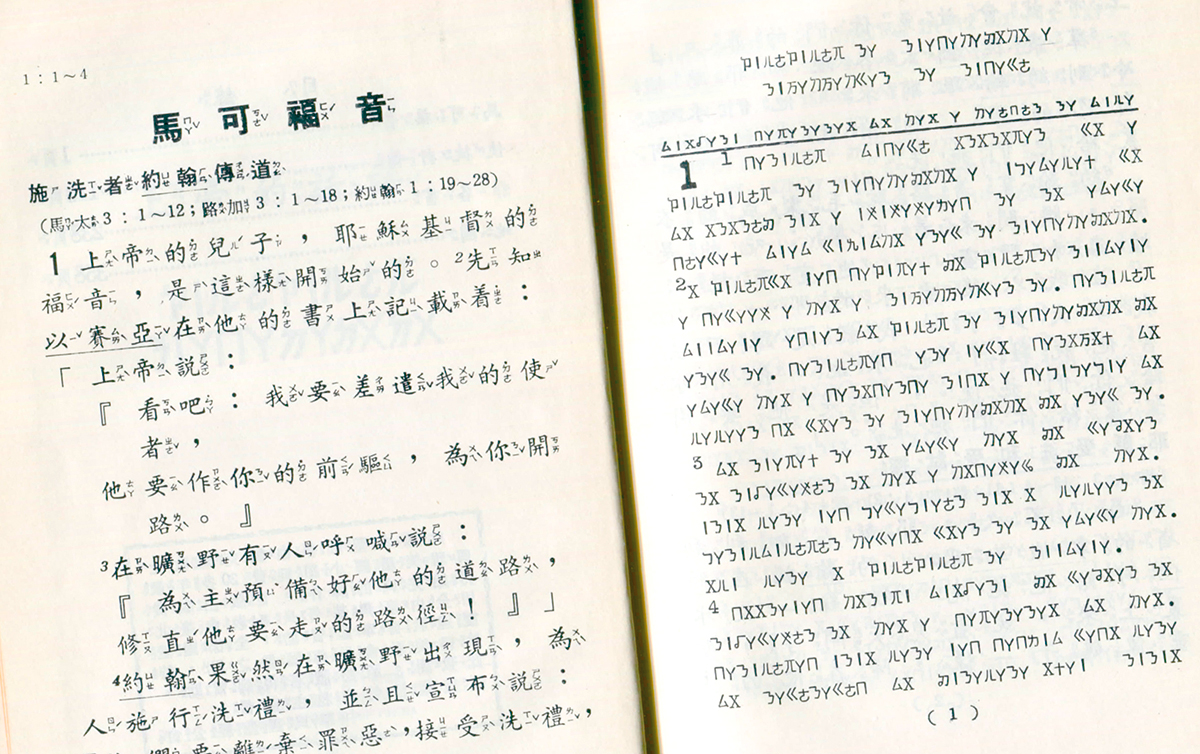
The first verses of Matthew in glossed Mandarin (left page) and Kalen's ㄅㄆㄇㄈ for Tao (right). Photo by Chen Chia-Lin
Retirement
Kalen found her health worsening in 1980 and summoned the preachers syapen Lamuran, syapen Mangavat, and syaman Ngarai to indicate her wish to die and be buried on Orchid Island. That September, however, Kalen’s two sisters flew in from Canada and took her home, where she resettled in an apartment building in Abbotsford, British Columbia, that the church erected for retired missionaries. On October 7, 1985, Grace ‘si Kalen’ Wakelin was lifted of her burden and came to rest in peace in the arms of the Lord. She was 76 years old.
*The present guide is adapted from Dr. Liu Han-Ting's article, A Lamp for Orchid. The author would also like to thank siaman Misiva, syaman Javitong, syaman Lamuran, and Li Tâi-Guân for verifying the details of this book.